Learning how to make money online for beginners in 2026 is an attractive option for people who want to earn extra income, develop new skills, or build a business from home
However, making money online is not always easy. Some methods take time to produce results, while others require specific skills, consistent effort, or a small initial investment. It is important to choose an approach that matches your abilities, interests, and available time.
The good news is that beginners do not need to try everything at once. You can start with one simple idea, learn how it works, and gradually improve as you gain experience.
In this guide, we will explore practical ways to make money online in 2026, explain how to get started, and share tips for avoiding common mistakes and online scams.
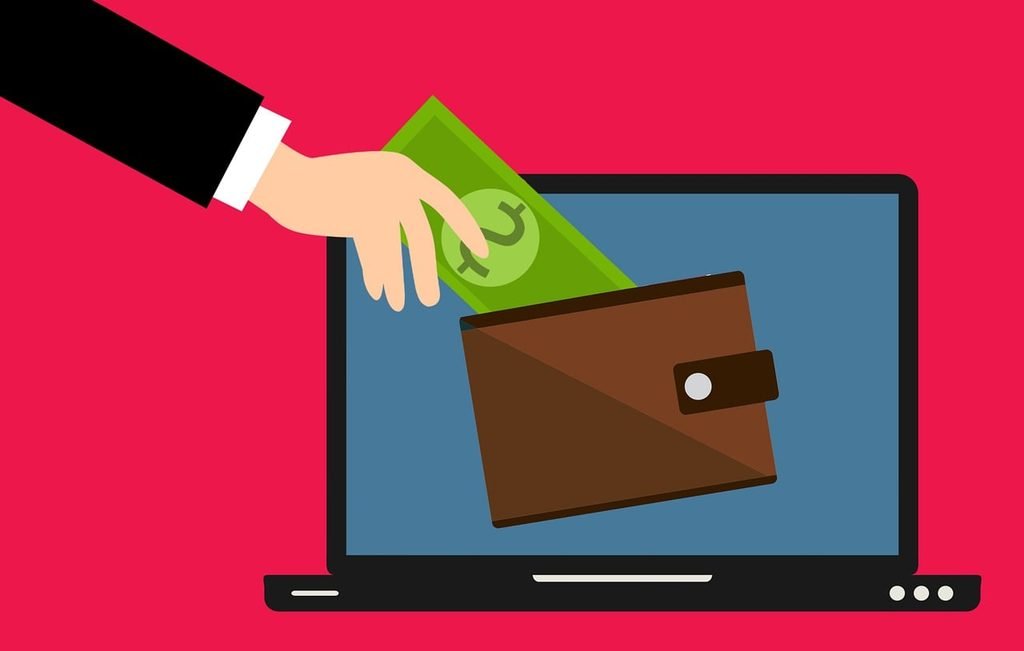
How to Make Money Online for Beginners: Is It Possible?
Yes, beginners can earn money online, but results depend on the method they choose, the demand for their work, and the effort they put into it.
Some opportunities, such as selling unused items or completing a small freelance project, may produce income relatively quickly. Other methods, including blogging, affiliate marketing, and selling digital products, often take longer because they require an audience, customers, or a reliable source of traffic.
It helps to understand the difference between earning extra money and building a long-term online business.
If you need income soon, offering a service or applying for remote work may be a more practical starting point than launching a blog and waiting for visitors.
If your goal is to build something over time, creating useful content, developing digital products, or growing an online store may be worth exploring.
1. Freelancing — Sell Your Skills Online
Freelancing is one way to start earning online without creating your own physical product. Businesses and individuals often hire independent workers to complete specific tasks or projects.
You do not necessarily need years of experience to begin. You can start with a skill you already have and improve it as you work.
Examples of freelance services include:
- Writing blog posts and website content.
- Graphic design and presentation design.
- Video editing.
- Website creation and maintenance.
- Translation and proofreading.
- Data entry and administrative support.
- Social media content creation.
How to Get Started
First, choose one service you can deliver reliably. Avoid advertising yourself as an expert in everything.
Next, create two or three sample projects that demonstrate your ability. For example, a beginner writer could prepare sample blog posts, while a graphic designer could create sample flyers.
Then, create a clear profile on a freelance platform or contact potential clients directly.
Platforms to explore include:
- Upwork: https://www.upwork.com/
- Fiverr: https://www.fiverr.com/
Before accepting work, read each platform’s fees, payment rules, and eligibility requirements.
Advantages: You can start with skills you already have, work remotely, and build experience through real projects.
Challenges: Finding the first client can take time. Competition, platform fees, and inconsistent workloads may also affect your earnings.
Best for: Beginners who want to turn a practical skill into income.
2. Virtual Assistant Work — Help Businesses With Daily Tasks
A virtual assistant provides administrative or organizational support remotely. Many small business owners need help managing routine tasks but do not have enough work to hire a full-time employee.
Depending on your abilities, you might help with:
- Organizing emails and calendars.
- Scheduling appointments.
- Updating spreadsheets.
- Preparing documents.
- Managing customer enquiries.
- Uploading website content.
- Organizing product listings.
How to Get Started
Choose a few services you can perform confidently. Learn commonly used tools such as spreadsheets, email applications, and online calendars.
Prepare a short description of the services you offer, your availability, and how clients can contact you.
You can search freelance platforms, professional networks, and legitimate remote job websites for suitable opportunities.
Advantages: You can often begin with basic computer and communication skills.
Challenges: Clients expect reliability, good communication, and careful handling of confidential information.
Best for: Organized people who enjoy helping others manage their workload.
3. Online Tutoring — Teach What You Know
If you are knowledgeable about a subject, online tutoring may provide an opportunity to earn money by teaching others.
Subjects can include mathematics, science, languages, school subjects, music, and certain professional skills. Some tutors teach formal lessons, while others help learners practice conversation or prepare for exams.
How to Get Started
Choose a subject you understand well and identify the type of student you can help.
Prepare a short lesson plan and decide whether you want to teach individually or in small groups. You can look for students through tutoring platforms, local community groups, or your professional network.
Platforms such as Preply may be worth exploring, depending on your subject, location, and eligibility.
Website: https://preply.com/
Check the platform’s requirements, commission structure, and payment arrangements before signing up.
Advantages: You can earn by sharing knowledge you already possess and improve your teaching skills along the way.
Challenges: Building a regular student base takes time, and some subjects require qualifications or previous teaching experience.
Best for: People who enjoy explaining concepts and helping others learn.
4. Sell Unused Items Online — A Simple Way to Start
One of the simplest ways to earn some money online is to sell items you no longer need.
These might include clothing, books, electronics, furniture, accessories, or household items that are still in usable condition.
This method is different from building a business because you can begin by selling things you already own rather than buying stock.
How to Get Started
Look around your home and identify items that are in good condition.
Take clear photographs, write honest descriptions, and research similar listings to set a reasonable price.
Use a reputable marketplace that operates in your area. Describe any damage accurately and check the platform’s payment and delivery rules.
Advantages: You may be able to start without spending money on inventory.
Challenges: Your income is limited by the items you have available, and some products may take time to sell.
Best for: Beginners who want to try online selling before investing in a larger business.
5. Sell Digital Products — Create Something Once and Sell It Online
Digital products are files or resources that customers can purchase and download. Examples include planners, printable worksheets, budget templates, study guides, design templates, and original educational materials.
The appeal is that you can create a product and sell additional copies without manufacturing or shipping a physical item each time.
However, creating a product does not guarantee sales. You still need to offer something useful, reach potential customers, and provide a good buying experience.
How to Get Started
Choose a specific audience and identify a problem you can help solve.
For example, you might create a weekly planner for students, a simple expense tracker for freelancers, or a checklist for people organizing a small event.
Create an original product, test it carefully, and prepare clear images and descriptions. Then choose a platform that supports your product type and location.
Platforms to explore include:
- Etsy: https://www.etsy.com/
- Gumroad: https://gumroad.com/
Check seller fees, payment availability, and the rules for the products you intend to sell. Make sure you have permission to use any fonts, graphics, photographs, or other assets included in your products.
Advantages: Digital products can be sold repeatedly, and you do not need to manage physical inventory.
Challenges: Sales may be slow at first, competition can be strong, and successful products require research, quality, and promotion.
Best for: Creative people who can produce useful downloadable resources.
6. Affiliate Marketing — Earn by Recommending Products
Affiliate marketing involves promoting a company’s products or services through special tracking links. When someone makes a qualifying purchase or completes another required action through your link, you may receive a commission.
For example, a website about technology might publish a useful comparison of website-building tools. If the writer joins an appropriate affiliate program, the article may include affiliate links to the products being discussed.
Affiliate marketing is not limited to websites. Depending on the program’s rules, it can also work through videos, newsletters, and other content channels.
How to Get Started
Choose a topic you understand or are willing to research carefully.
Create helpful content that answers genuine questions. This could include product comparisons, tutorials, practical guides, or explanations of how different services work.
Next, research relevant affiliate programs and read their terms before applying.
Always disclose affiliate relationships clearly. Readers should understand when you may earn a commission from a link.
Advantages: You do not need to create or ship the products yourself.
Challenges: You need an audience or a reliable way to reach potential customers. Commissions and program rules can change, and income is not guaranteed.
Best for: Bloggers, website owners, and content creators who want to monetize useful content.
7. Start a Blog — Build a Website Around a Useful Topic
Blogging can be a way to build an online business by publishing useful articles for a specific audience.
You might write about technology, personal productivity, cooking, education, travel, hobbies, or another topic you can cover responsibly and consistently.
A blog can eventually earn money through display advertising, affiliate marketing, sponsored content, or your own products and services.
However, blogging is rarely a reliable way to earn money immediately. Building readership takes time, and a website needs useful content that gives people a reason to visit.
How to Get Started
Choose a focused topic and identify the questions your intended readers want answered.
Set up a website, organize it into useful categories, and publish articles that provide practical information rather than repeating what is already available elsewhere.
Learn basic search engine optimization (SEO), make the website easy to navigate, and ensure that it works well on mobile devices.
As your audience grows, research suitable monetization methods and their requirements.
Advantages: A blog can become a long-term online asset and support several types of income.
Challenges: Results can take months or longer, search traffic is not guaranteed, and maintaining a useful website requires ongoing work.
Best for: People who enjoy researching, explaining ideas, and creating content over time.
8. Remote Jobs — Work for an Employer Online
You do not have to start a business to earn money online. Remote employment allows you to work for an employer from home or another approved location.
Depending on your experience, available opportunities may include customer support, sales, software development, writing, bookkeeping, project coordination, and administrative work.
Some remote positions are fully remote, while others require occasional office visits or restrict where employees can live and work.
How to Get Started
Identify the types of jobs that match your skills and experience.
Prepare a clear CV, update your professional profile, and search reputable job websites. Read job descriptions carefully to confirm the location requirements, working hours, responsibilities, and salary arrangements.
Be ready to complete interviews or skills assessments as part of the recruitment process.
Advantages: Employment may offer more predictable income than starting a business, depending on the contract.
Challenges: Competition can be high, and many positions require relevant experience, qualifications, or language skills.
Best for: People looking for structured work rather than running their own business.
9. Online Surveys and Website Testing — Small Tasks for Extra Income
Some companies pay participants to complete market research surveys, provide feedback on products, or test websites and applications.
These activities can be accessible to beginners, but they should be treated as a possible source of occasional extra income rather than a dependable salary.
Survey availability often depends on your location and demographic profile. Website testing may require you to speak your thoughts aloud, follow specific tasks, or meet eligibility criteria.
How to Get Started
Research the company before creating an account. Read its payment conditions, minimum withdrawal requirements, privacy policy, and country eligibility rules.
Never pay a registration fee simply to access ordinary paid surveys or testing tasks. Be cautious about providing sensitive personal information.
Advantages: Some tasks require little experience and can be completed in your spare time.
Challenges: Opportunities may be limited, payments can be small, and you may not qualify for every survey or test.
Best for: People looking for occasional extra income who understand that the work may be inconsistent.
Which Online Money-Making Method Is Best for Beginners?
The best method depends on how quickly you need income, what you can offer, and how much time you have available.
Here is a simple comparison:
- Freelancing: A good option if you have a useful skill and want to find paying clients.
- Virtual assistance: Suitable if you are organized and comfortable with administrative work.
- Online tutoring: Worth considering if you can teach a subject confidently.
- Selling unused items: A practical starting point if you want to earn from things you already own.
- Digital products: Suitable if you can create useful downloadable resources.
- Affiliate marketing: Better suited to people who can build an audience and recommend products responsibly.
- Blogging: A long-term option for people who enjoy creating helpful content.
- Remote employment: Worth exploring if you prefer working for an employer.
- Surveys and website testing: Possible for small, occasional earnings, but not a dependable income source.
You do not need to try every method. Start with one that matches your current situation and learn what it takes to make it work.
A Simple 30-Day Plan to Get Started
If you are unsure where to begin, use this plan to turn your idea into a practical first step.
Week 1: Choose One Method
Think about your existing skills, interests, equipment, and available time.
Choose one method to focus on. For example, you could offer a freelance service, apply for remote jobs, or begin preparing a digital product.
Research the method and identify what customers or employers expect.
Week 2: Prepare Your Offer
Create the basic materials you need to get started.
A freelancer might prepare sample work and a short service description. Someone applying for remote jobs might update their CV. A digital-product creator might prepare a first version of a downloadable resource.
Keep your first project manageable instead of trying to make everything perfect.
Week 3: Find Potential Customers or Opportunities
Start looking for legitimate opportunities.
Depending on your method, this could mean sending thoughtful proposals to clients, applying for relevant jobs, listing an item for sale, or publishing useful content.
Focus on quality and consistency. Avoid sending spam messages or making exaggerated claims about your experience.
Week 4: Review and Improve
Look at what you have accomplished.
Have you received responses? Did potential customers understand your offer? Were there any problems with pricing, presentation, or the way you searched for opportunities?
Use what you learn to improve your next attempt.
Remember: The purpose of your first month is to establish a practical starting point, not to guarantee a particular income. Your results will depend on your circumstances, the demand for your work, and the effort required to find opportunities.
Common Online Money-Making Scams to Avoid
Unfortunately, some websites and individuals use the promise of easy online income to deceive beginners.
Be careful if an opportunity:
- Promises guaranteed earnings or unusually large returns with little effort.
- Requires you to pay a fee to unlock a supposedly guaranteed job.
- Pressures you to recruit other people as the main way to earn money.
- Asks you to transfer money or cryptocurrency to receive a larger payment.
- Requests passwords, verification codes, or unnecessary sensitive information.
- Sends you a cheque and asks you to return part of the money.
- Uses fake testimonials or refuses to explain how the business actually earns revenue.
Before joining a platform or paying for a course, research the company independently and read reviews from more than one source.
Legitimate businesses may charge reasonable fees for clearly explained services, but you should understand what you are paying for and never assume a payment guarantees future earnings.
For more guidance, visit the US Federal Trade Commission’s resource on business opportunity scams: https://consumer.ftc.gov/articles/when-business-offer-or-coaching-program-scam
Tips for Building a Sustainable Online Income
Earning money online is not only about choosing the right platform. How you work and manage your expectations also matters.
- Start small: Test your idea before spending heavily on software, courses, or equipment.
- Develop valuable skills: Communication, writing, organization, design, and technical skills can help you access more opportunities.
- Keep records: Track your income, expenses, payments, and work time.
- Protect your information: Use strong passwords and be careful with customer data and financial details.
- Be consistent: Regular, focused effort is usually more useful than constantly switching between new ideas.
- Learn from feedback: Improve your work based on real customer needs and honest feedback.
- Understand your obligations: Check the tax, registration, and consumer-protection rules that apply where you live and work.
If you live in Finland or another country outside the United States, make sure the platforms you choose support your location and payment method. You may also need to report online income and meet local tax or business requirements.
Frequently Asked Questions
What is the easiest way to make money online for beginners?
There is no single easiest method for everyone. Selling unused items may be a simple first step, while freelancing, virtual assistance, and remote work may suit people who want to earn by providing services.
Can I make money online without investing money?
Yes, some methods can be started with resources you already have, such as freelancing with existing skills, applying for remote jobs, or selling unused belongings. However, you may still need an internet connection, suitable equipment, and time to find opportunities.
How quickly can I earn my first money online?
It depends on the method and your circumstances. Selling an item or finding a small freelance project may generate income sooner than building a blog or launching a digital-product business. No legitimate method can guarantee a specific timeline.
Can I make money online using only my phone?
Some activities, including selling items, managing certain social media tasks, and completing selected surveys, can be done on a phone. Other work, such as detailed writing, spreadsheet tasks, and website development, may be easier with a computer.
Is blogging a good way to make money in 2026?
Blogging can become a source of income, but it generally takes time to publish useful content, attract readers, and establish suitable monetization methods. It is better approached as a long-term project than as an immediate source of income.
Are online surveys a reliable way to earn a living?
Usually not. Surveys and similar tasks may provide occasional extra money, but availability and payment levels vary. They are generally less suitable than skilled work or employment for people who need predictable income.
Do I need experience to start freelancing?
Not always. Beginners can start with a service they can deliver competently and demonstrate their abilities through sample projects. However, you still need to meet client expectations, communicate clearly, and build trust.
How can I tell if an online job is legitimate?
Research the company, verify the job listing through official channels, and understand the payment terms. Be especially cautious of guaranteed earnings, unexplained upfront fees, requests to move money, and pressure to act immediately.
Final Verdict: Start With One Practical Opportunity
Making money online in 2026 is possible, but success usually requires realistic expectations, useful skills, and consistent effort.
If you want to get started, consider freelancing, virtual assistance, tutoring, or remote employment if you can offer a service or meet an employer’s requirements. If you prefer building something over time, blogging, affiliate marketing, and digital products may be worth exploring.
You do not need to invest in every tool or follow every online trend. Choose one approach that fits your situation, research it carefully, and take a manageable first step.
The goal is not to get rich overnight. It is to find a legitimate opportunity, learn from experience, and gradually build a more reliable source of income.
Which method would you like to try first? Share your thoughts in the comments and help other beginners discover practical ways to get started online.